
The Best Control4 Alternative for Modern Homes
Looking for a Control4 alternative? See what a strong replacement needs: broad device compatibility, less dealer lock-in, privacy, and lower cost over time.
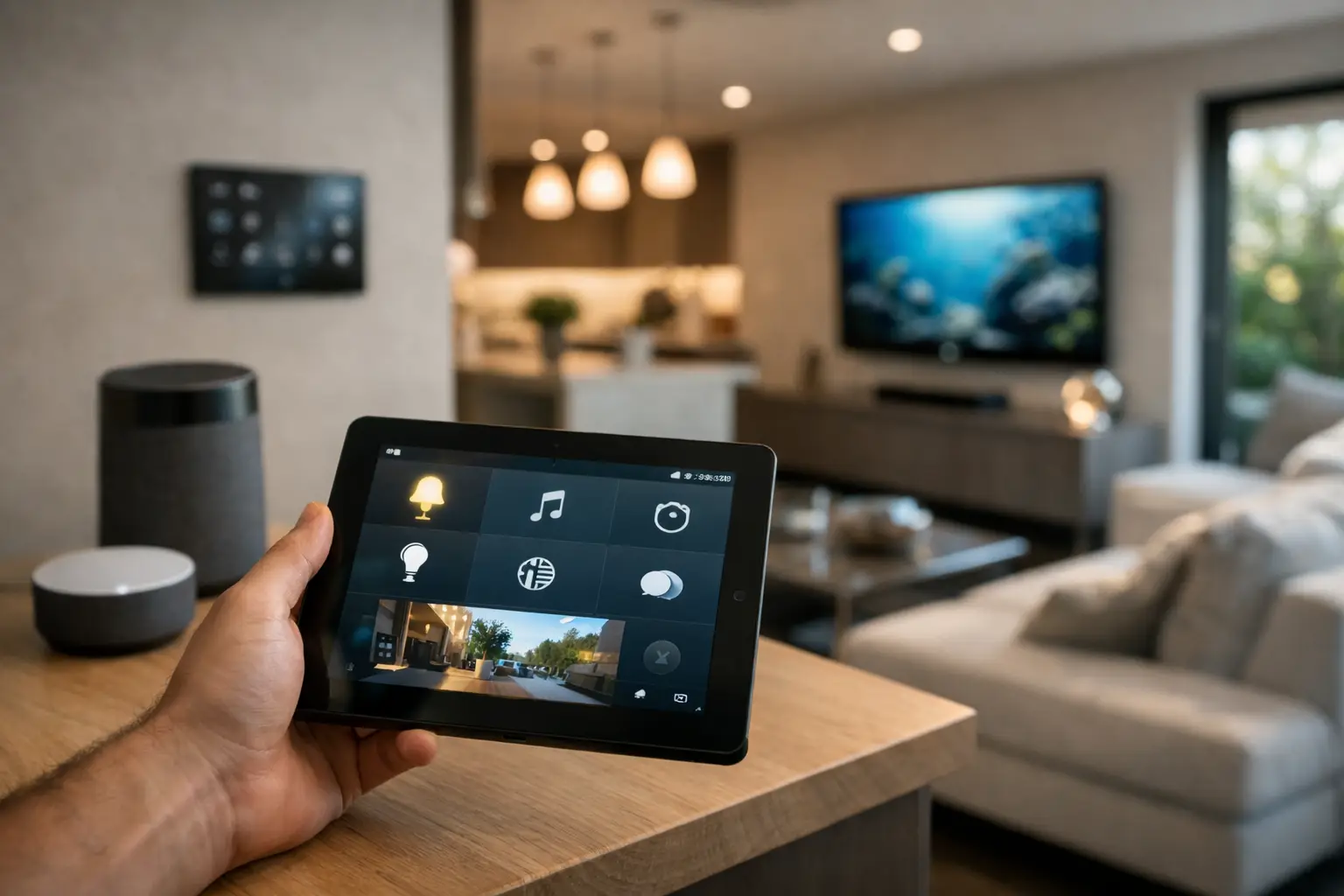
When a smart home works beautifully, nobody thinks about the system behind it. When it does not, the pain is obvious: too many apps, expensive service calls, limited device choices, and a platform that starts to feel more like a gatekeeper than a convenience. That is usually the moment homeowners begin searching for a control4 alternative.
For many years, Control4 earned its place in luxury homes by offering centralized automation, polished interfaces, and professional installation. But buyer expectations have changed. Homeowners want the reliability of a professionally managed system without being boxed into one ecosystem. They want elegant control over lighting, climate, audio, shades, security, and energy, while still keeping the freedom to choose the hardware that fits their home and budget.
That shift matters because smart home technology is no longer a one-time purchase. It is an ongoing layer of the home itself. If your platform is too closed, every upgrade, repair, or product change becomes harder and more expensive than it should be.
What makes a strong control4 alternative?
A true replacement needs to do more than copy the Control4 experience. It needs to improve on the parts that now feel outdated.
First, it should support broad device compatibility. Most homeowners do not start from zero. They may already own Sonos speakers, Lutron shades, a smart thermostat, door locks, security cameras, and a mix of Apple Home, Alexa, or Google devices. A modern platform should bring those products together instead of forcing a rip-and-replace approach.
Second, it should reduce long-term dependence on dealer-only changes. Professional installation still matters, especially in custom homes, but homeowners should not feel trapped every time they want to tweak a scene, add a device, or adjust automation logic. The best systems strike a balance: professional setup where needed, remote management where helpful, and a user experience that does not require a service invoice for every small update.
Third, it should respect privacy. Many smart home buyers are now paying attention to where their data goes, who can access it, and whether cloud dependency creates unnecessary exposure. A better platform gives homeowners more control over their data and more resilience if internet service drops.
Finally, cost matters. Not just upfront hardware costs, but the total cost of ownership over five to ten years. That includes service calls, software maintenance, forced hardware swaps, and the price of staying inside a closed ecosystem.
Why some homeowners outgrow Control4
Control4 is not a bad system. In the right project, with the right installer, it can still deliver a polished experience. But it tends to fit a traditional model of home automation: dealer-centric, brand-controlled, and more restrictive than many homeowners now want.
The biggest friction point is flexibility. If you want to expand your system over time, integrate niche devices, or adopt new categories like energy monitoring and AI-assisted routines, a closed platform can start to feel limiting. You may be able to add what you want, but often only through approved paths, at approved pricing, with approved hardware.
There is also the issue of lifecycle. Smart homes evolve faster than most built-in home systems. Families renovate, add EV chargers, swap TVs, install solar, upgrade networking, and rethink how rooms are used. A platform that was designed around tighter control can become harder to adapt without unnecessary complexity and cost.
For homeowners investing in a premium experience, that is the real question: are you buying automation, or are you buying dependence?
Open platforms are changing the market
The strongest control4 alternative today is usually built on a different philosophy. Instead of locking the home into a brand-defined universe, it starts with interoperability.
That means support for major protocols and ecosystems, including lighting systems, audio platforms, smart locks, security devices, sensors, thermostats, and voice assistants from many manufacturers. It also means the platform is designed to grow with the home, not just at installation day but years later when technology changes.
Open does not mean DIY chaos. That is an outdated assumption. A professionally managed open platform can offer the same clean interface and whole-home control people expect from luxury automation, while avoiding the traps of proprietary systems. In practice, this gives homeowners more device choice, lower replacement risk, and better odds that the system they install today will still make sense in five years.
For installers, the appeal is just as clear. Open systems reduce the amount of time spent fighting product limitations and increase the ability to tailor solutions to each project. That is especially valuable in custom homes where no two clients want the exact same mix of features.
What to compare before you switch
If you are evaluating options, the decision should not come down to interface screenshots alone. A smart home platform lives or dies by what happens after install.
Compatibility and migration
If you already have devices in place, ask whether the new platform can absorb them cleanly. Some systems claim compatibility but only support basic commands. Others can truly unify devices from different brands into one control layer with shared scenes, automation, and monitoring.
Migration matters most in lived-in homes. If replacing Control4 means replacing half your lighting, audio, and security hardware, the alternative may not be much of an upgrade. A better path preserves as much working infrastructure as possible while improving the control experience on top.
Support model
Support is where premium systems often justify their price, but not all support models are equally homeowner-friendly. Traditional dealer-only support can be helpful for complex projects, yet frustrating for routine changes.
Look for a platform that combines professional installation with remote management, guided updates, and faster troubleshooting. That structure keeps the home stable without turning every adjustment into a site visit.
Privacy and architecture
Many buyers focus on what the app looks like and ignore how the platform actually operates. That is a mistake. The architecture affects speed, reliability, and privacy.
A system with strong local control can continue running core automations even if the internet is down. It also reduces unnecessary data exposure. For luxury homeowners, that is not a niche concern. It is part of what premium should mean.
Total cost over time
The least expensive quote is not always the lowest-cost system. A platform that requires more paid changes, more restrictive hardware choices, or more frequent upgrades can quietly become the costlier option.
This is where a future-proof design has real value. Broad compatibility and managed software support help extend the life of the overall system, not just the controller at the center.
The smarter alternative is not just cheaper
Price gets attention, but the better reason to choose a control4 alternative is control in the broader sense of the word. Control over device choices. Control over data. Control over how your home evolves.
That is why many modern buyers are moving toward professionally managed open systems like Selora Homes. The appeal is straightforward: one platform that can unify fragmented devices, support thousands of products, simplify automation with AI assistance, and reduce the lock-in that has defined legacy luxury automation for years.
This approach is especially compelling for renovation projects and existing smart homes that have grown messy over time. Instead of asking homeowners to start over, it gives them a way to consolidate what they already own and build a more coherent experience around it.
There are still trade-offs. Some homeowners prefer the familiarity of established legacy brands or have an installer relationship they trust deeply. In ultra-specific projects, a proprietary platform may still fit the spec. But for many households, the market has moved. Flexibility, privacy, and long-term adaptability now matter just as much as a polished touchscreen.
Who should seriously consider a control4 alternative?
If your current setup feels expensive to maintain, difficult to expand, or too dependent on one dealer, it is worth taking a hard look at your options. The same is true if you are building a new home and want to avoid future lock-in before it starts.
This is also a strong move for families who already live across multiple ecosystems. If you have Apple devices in one room, Alexa in another, Sonos throughout the house, and lighting or shades from yet another brand, you do not need more fragmentation. You need a system that can bring those parts together under one reliable control layer.
For installers, the decision is increasingly strategic. Offering clients a premium experience no longer requires tying every project to a closed ecosystem. In many cases, it is the opposite. The more open and professionally supported the platform, the more durable your client relationships become.
The best smart homes are not the ones with the most hardware. They are the ones that stay elegant as life changes. If you are choosing a control4 alternative, choose the platform that gives your home room to grow without asking permission every step of the way.