
Open Source Smart Home System: A Better Path for Modern Homes
An open source smart home system puts the home, not the vendor, at the center. Here is why open beats closed for compatibility, privacy, and longevity.
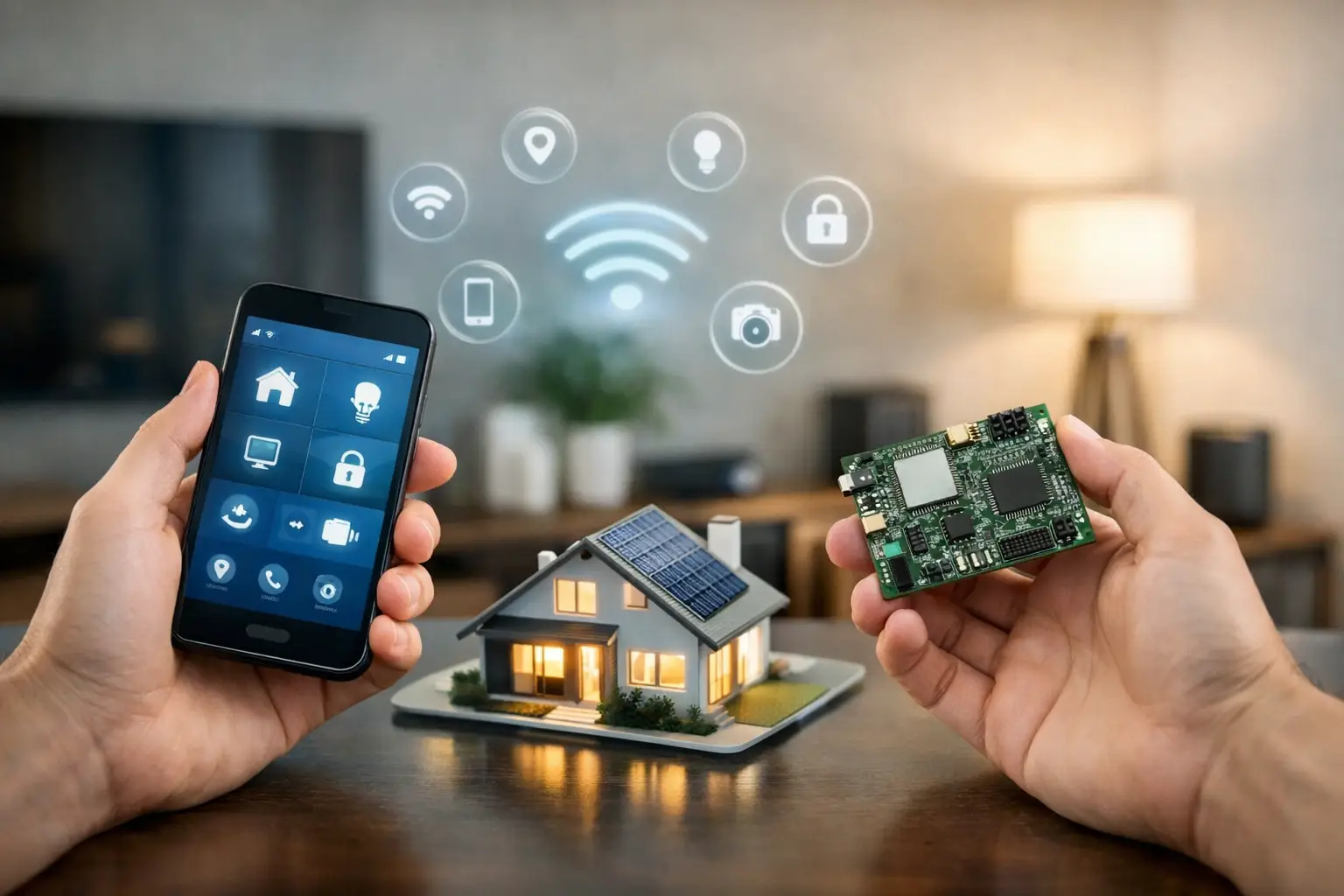
A luxury home should not feel like a patchwork of apps, remotes, and dealer-only settings. Yet that is exactly where many homeowners end up after mixing voice assistants, lighting platforms, audio zones, security devices, and climate controls that were never designed to work as one. An open source smart home system changes that equation by putting the home, not the vendor, at the center.
For homeowners building, renovating, or trying to fix a fragmented setup, that distinction matters. This is not just a technical preference. It affects what devices you can choose, how much you pay to maintain the system, how private your home remains, and whether your smart home will still make sense five years from now.
What an open source smart home system actually means
At its core, an open source smart home system is software built on code that can be inspected, extended, and improved beyond the limits of a single closed manufacturer. In practical terms, that usually means broader device support, more flexible automation, and less dependence on one brand’s hardware roadmap.
That does not mean every open platform is automatically easy to use. Raw open-source software can be powerful, but it often assumes time, patience, and technical confidence. For some households, that is part of the appeal. For many others, it is exactly the problem.
The real advantage shows up when open infrastructure is paired with professional deployment, managed updates, reliable remote support , and a polished control experience. You keep the freedom of an open platform without inheriting the burden of managing every detail yourself.
Why closed smart home systems frustrate so many homeowners
Closed systems usually promise simplicity. Buy the approved hardware, use the approved installer, follow the approved upgrade path. At first, that can feel clean and predictable. Over time, the trade-off becomes obvious.
You may find that adding a new brand of thermostat, shade motor, or camera requires special workarounds or cannot be done at all. You may need a dealer visit for changes that should take minutes. You may also discover that replacing one component means replacing several others because the ecosystem was designed to protect the platform, not your flexibility.
That model is especially limiting in higher-end homes, where owners often want the freedom to combine best-in-class products. One family may prioritize Lutron lighting, Sonos audio, Apple-friendly control, and advanced energy monitoring. Another may want KNX, hardwired keypads, and detailed occupancy-based automations. A closed platform tends to force compromise. An open system gives you room to design around the house and the people who live in it.
The biggest advantages of an open source smart home system
Compatibility is the headline benefit, but it is not the only one. A strong open source smart home system can unify devices and protocols that normally live in separate silos. That matters if your home includes a mix of Zigbee, Z-Wave, Wi-Fi, Matter, Ethernet, or brand-specific ecosystems.
Privacy is another major reason buyers make the switch. Many homeowners are no longer comfortable sending every motion event, door state, and automation rule through a cloud service they do not control. Open platforms often support local operation, which means core automations and device control can continue without constant dependence on external servers.
Long-term cost is where the value becomes hard to ignore. Closed systems can carry premium hardware pricing, recurring service friction, and expensive upgrade paths. Open systems often let you preserve working devices, expand in phases, and avoid paying a luxury tax just to maintain basic functionality.
Then there is resilience. A home built around a more open architecture is less likely to become obsolete because one vendor changes direction. If a device category evolves, you have options. If you want to migrate away from one brand later, the entire system does not have to be torn out with it.
Where open systems can go wrong
There is a reason some homeowners hear “open source” and immediately think “hobby project.” In many cases, that reputation was earned.
If you install an open platform without a plan for device standards, network design, backup strategy, and update management, you can end up with a system that is flexible on paper but unreliable in daily life. Fancy automation is meaningless if lighting scenes fail, family members do not trust the app, or troubleshooting requires a laptop at the kitchen counter.
This is the key trade-off. Open systems provide more freedom, but freedom without structure can create maintenance overhead. The right answer is not to reject open infrastructure. It is to use it in a way that is professionally managed and intentionally designed.
Open source vs proprietary smart home platforms
For most buyers, the decision comes down to control.
A proprietary platform can be a fit if you are comfortable staying inside one curated ecosystem and relying on that vendor’s long-term strategy. Some homeowners want exactly that. They are willing to trade flexibility for a narrower, more controlled experience.
An open source smart home system is a better fit if you want broader compatibility, stronger ownership of your setup, and the ability to evolve over time. It is particularly compelling for larger homes, renovation projects, and households that already own devices from multiple brands.
Installers should look at the same question through an operational lens. A closed platform may offer consistency, but it can also limit what you can recommend to clients. An open platform, when properly packaged and supported, allows integrators to solve more real-world scenarios without forcing every project into the same mold.
What to look for before you choose a platform
The first question is not whether the platform is open-source. It is whether the final experience is dependable.
Start with local control. If internet service goes down, core automations should still work. Lighting, climate routines, occupancy logic, and essential notifications should not disappear because a cloud endpoint is unavailable.
Next, evaluate compatibility in the categories that matter most to your home. Lighting, shades, media, HVAC, security, access control, and energy management all have different integration demands. Broad compatibility sounds impressive, but your decision should be based on the actual devices you own or plan to install.
Then look at support and lifecycle management. Who handles updates? Who monitors system health? Who helps when a new device is added, a renovation changes room layouts, or an automation needs to be refined? This is where many homeowners realize they do not just need powerful software. They need a smart home operating model that fits real life.
Finally, consider the user experience. One app should feel intuitive for the household, not just the installer. Great automation fades into the background. It should make the home feel calmer, faster, and more responsive, not more complicated.
The rise of managed open smart homes
This is where the market is moving. Homeowners want the openness and future-proofing of open infrastructure, but they do not want to become system administrators. Installers want flexibility, but they also need consistency, documentation, and serviceability across projects.
That is why managed open platforms are gaining traction. They bridge the gap between DIY-grade software and legacy proprietary systems. Instead of locking the homeowner into a closed dealer ecosystem, they deliver professional setup, centralized control, remote support, and ongoing updates on top of an open foundation.
Selora Homes is built around that model. The appeal is straightforward: preserve flexibility, reduce fragmentation, support thousands of devices , and give both homeowners and installers a cleaner path forward without the lock-in that has defined traditional luxury automation.
Is an open source smart home system right for your home?
If your priority is a future-proof home that can unify devices across brands, adapt over time, and keep more control in your hands, the answer is often yes. If you want every decision pre-limited by one vendor and are comfortable staying inside those boundaries, a closed platform may still feel simpler.
But for many modern homes, the old trade-off no longer makes sense. You should not have to choose between premium performance and open flexibility. You should not have to replace good hardware because one ecosystem refuses to cooperate with another. And you should not need a service call for every meaningful change.
The smartest homes are not the ones with the most gadgets. They are the ones built on an architecture that can grow with the people living inside it. Choose the system that gives you that freedom, then make sure it is delivered with the level of polish your home deserves.