
12 Smart Home Automation Examples That Actually Work
Real smart home automation examples for lighting, shades, security, and energy that remove daily friction and make a home behave like one system.
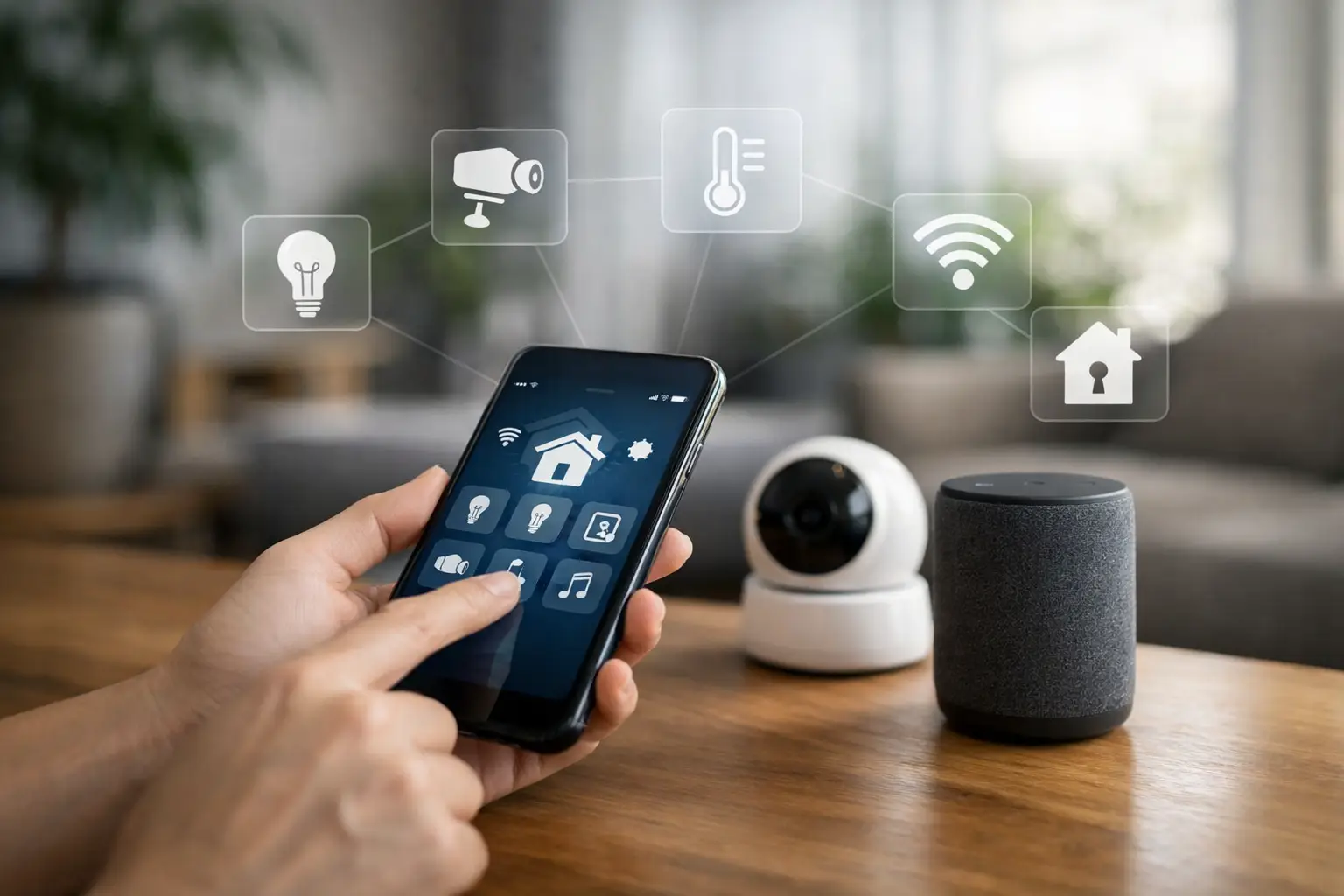
A premium smart home does not feel impressive because it has more apps. It feels impressive when the house responds at the right moment, without you chasing switches, remotes, or settings. That is where smart home automation examples become useful, not as flashy demos, but as real systems that remove friction from daily life.
The difference between a gadget-filled house and a well-designed smart home is simple: coordination. A video doorbell on one app, lights in another, shades in a third, and climate control somewhere else rarely adds up to a better experience. The strongest automations connect those systems so the home behaves like one environment.
Smart home automation examples for daily living
The best automations solve ordinary problems first. They save time in the morning, reduce wasted energy during the day, and make evenings quieter and easier.
1. Wake-up scenes that adjust the room gradually
A strong morning automation does more than turn on a lamp at 6:30. It can slowly raise bedroom shades, bring lights up to a warm low level, adjust the thermostat, and start music or spoken news in selected rooms. That feels natural because the home is matching a routine instead of interrupting it.
This works especially well in larger homes where comfort matters room by room. The trade-off is that timing needs to be personal. One household may want a strict weekday schedule, while another needs the system to adapt based on occupancy, sleep patterns, or whether school is in session.
2. Leave-home automation that shuts the house down properly
One of the most practical smart home automation examples is also one of the least glamorous. When the last person leaves, the home can turn off interior lights, lower shades where appropriate, arm the security system, reduce HVAC usage, pause media, and confirm that garage doors are closed.
This is where unified control matters. If these systems are split across disconnected platforms, one routine often fails because one device family does not talk to another. In a professionally managed setup, the goal is not just convenience. It is confidence that the house actually entered the right mode.
3. Arrival automations that prepare the home before you walk in
Coming home should not mean opening four apps. A location-based or vehicle-based arrival routine can turn on pathway lighting, set an entry scene, disarm selected zones, and bring the home back to a preferred temperature.
Good design here depends on context. A condo owner may only want lights and climate changes. A family with a gated property, detached garage, and multiple entry points may need more nuanced logic, especially if different household members keep different schedules.
Smart home automation examples for lighting and shades
Lighting is where automation becomes visible fast. Done well, it improves comfort, mood, and energy performance without drawing attention to itself.
4. Circadian lighting that shifts color and intensity through the day
Instead of keeping lights at one brightness and color all day, circadian automations adjust lighting to support how people actually live. Cooler, brighter light can help in kitchens, home offices, and bathrooms during active hours. Warmer, dimmer light suits evenings and late-night movement.
This is more refined than simple scheduling. It creates a home that feels calmer at night and more alert during the day. It also requires compatible lighting and thoughtful calibration. Too much change can feel artificial, while subtle tuning tends to feel premium.
5. Shade automation based on sun position and temperature
Motorized shades are often treated like a luxury add-on. In practice, they are one of the most useful automation layers in a well-planned home. Shades can close on west-facing windows during peak afternoon heat, open in the morning for natural light, and lower in media rooms when entertainment systems are active.
This is one of the clearest examples of comfort meeting energy savings. The benefit grows in homes with large glass expanses. The downside is that shades need to respect lifestyle, views, and privacy. Full automation is powerful, but many homeowners still want easy overrides for specific rooms.
6. Pathway lighting for nighttime movement
Late-night movement is a perfect use case for automation because the right response is small and immediate. Motion sensors can trigger soft lighting in hallways, bathrooms, staircases, or kitchen areas after a set hour, without waking the whole house.
This is safer than relying on bright overhead lights and more elegant than leaving lights on all night. The details matter, though. Sensitivity, brightness, and time windows need to be tuned carefully so the system helps instead of becoming annoying.
Smart home automation examples for security and peace of mind
Security automation works best when it supports awareness and response, not when it overwhelms homeowners with alerts.
7. Smart entry sequences tied to locks, alarms, and lighting
Unlocking a front door can trigger a lot more than access. It can disarm selected alarm zones, switch entry lights on, pause cameras in private interior spaces, and notify homeowners when specific users arrive.
That last detail matters for families, second homes, and properties with staff or service access. The system can distinguish between a family member returning home and a temporary code used by a dog walker or contractor. That is a meaningful upgrade over a basic smart lock living in isolation.
8. Outdoor security responses that look intentional
A motion event outdoors does not always require a siren. In many homes, a smarter response is to activate exterior lighting, record video, and send a selective alert only when motion occurs in the right zone and at the right time.
This is where better automation beats more hardware. Random notifications train people to ignore the system. Thoughtful zoning, occupancy awareness, and event logic produce alerts that are useful enough to trust.
9. Vacation modes that make the house look lived in
Vacation automation goes beyond setting one lamp on a timer. A stronger setup rotates interior lighting patterns, adjusts shades, manages landscape lighting, maintains climate settings, and keeps tabs on water leaks, doors, and environmental sensors.
The point is not theatrics. It is risk reduction. The home should remain efficient while still looking active and monitored. For larger or high-value properties, this can be one of the most valuable automation layers in the entire system.
Smart home automation examples for energy and home management
A smart home should not just feel good. It should run better.
10. HVAC automation based on occupancy and room use
Most thermostats are only as smart as the schedule behind them. Whole-home automation can do more by adjusting temperatures based on who is home, which rooms are in use, outdoor conditions, and time of day.
In practice, that could mean keeping bedroom zones comfortable overnight, scaling back guest areas when unused, and easing cooling demand when shades are already handling solar gain. The result is better comfort with less waste. It also avoids the common problem of over-conditioning rooms no one is using.
11. Leak detection with automatic shutoff
Water damage is one of the least exciting automation topics until it happens. Leak sensors under sinks, behind appliances, near water heaters, or in mechanical rooms can trigger alerts and shut off the main water supply automatically.
This is a strong example of why smart homes should not be judged only by visible features. Some of the highest-value automations are preventive. They protect the home quietly in the background.
12. Load management for high-demand devices
As homes add EV chargers, pool equipment, electric heating, and larger entertainment systems, energy management becomes more relevant. Automation can stagger heavy loads, reduce unnecessary runtime, and coordinate devices around pricing or backup power conditions.
This is not necessary in every property. But in custom homes or renovation projects with serious electrical demand, it can become a practical part of design rather than a niche upgrade.
What makes smart home automation examples actually work
The examples above sound simple because good automation hides complexity. Behind the scenes, success depends on platform design. If your lights, shades, locks, audio, climate, and cameras each live in their own silo, even basic routines become fragile.
That is why open, professionally managed systems are gaining ground over closed ecosystems and dealer-dependent platforms. Homeowners want freedom to choose hardware, keep what already works, and avoid rebuilding the entire house every time a product line changes. Installers want a stable foundation they can deploy with confidence. Selora Homes is built for exactly that reality: unified control, broad compatibility, and automation that can grow with the home instead of boxing it in.
There is also a practical truth worth saying plainly: not every automation should be fully automatic. Some routines should run in the background, like leak shutoff or vacation mode. Others should remain easy to override, like shades in a living room with a view or lighting scenes for entertaining. The best smart homes do not force behavior. They support it.
If you are evaluating your own home, start by asking a sharper question than “Which devices should I buy?” Ask which daily moments feel repetitive, inconvenient, or inconsistent. That is where the strongest automations begin, and where a smart home starts acting less like a collection of products and more like a system built around the way you live.