
The Best Smart Home Hub for Multiple Brands
A smart home hub for multiple brands unifies lighting, climate, audio, and security in one control layer, so your devices behave like one system.
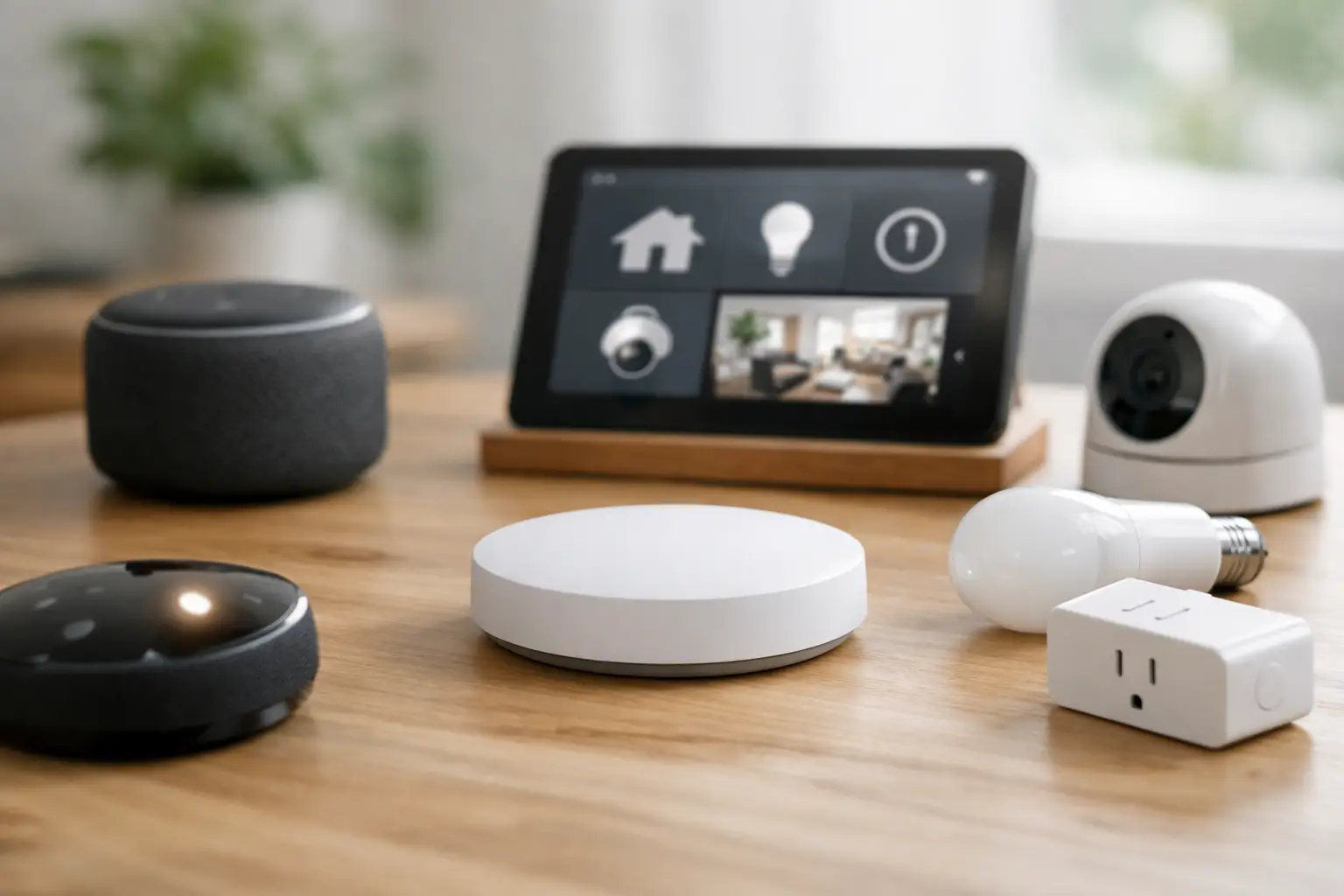
If your kitchen lights live in one app, your thermostat in another, and your door locks depend on a third, you do not have a smart home. You have a collection of devices. A smart home hub for multiple brands changes that by putting control, automation, and long-term flexibility in one place instead of scattering it across ecosystems that were never designed to work together.
That distinction matters more in larger homes, custom builds, and renovations where lighting, shades, climate, audio, security, and energy systems need to behave like one system. It also matters for homeowners who already own a mix of Apple HomeKit, Google Home, Alexa, Lutron, Sonos, Z-Wave, KNX, or legacy platforms. The right hub does not force a reset. It brings order to what you already have and creates a stronger foundation for what comes next.
What a smart home hub for multiple brands should actually do
A real multi-brand hub is not just a voice assistant or a dashboard with a prettier interface. It acts as the control layer between devices, protocols, apps, and automations. That means it should connect products that were not designed to cooperate, normalize how they communicate, and let you build routines around how your home actually works.
For example, a good hub should allow a lighting scene to trigger when the alarm is disarmed, lower shades based on sun position, pause music when a call comes in, and adjust HVAC settings when everyone leaves. Those actions often span several manufacturers. Without a hub that can coordinate them reliably, each brand stays in its own lane.
The best systems also handle the less glamorous work that determines whether a smart home feels premium or frustrating. Device management, software updates, remote diagnostics, permissions, and backup all matter. If every small change requires opening five apps or scheduling a service visit, the system is not efficient - it is expensive.
Why single-brand ecosystems hit a ceiling
Closed ecosystems are appealing at first because they promise simplicity. Buy everything from one brand, stay inside its app, and avoid compatibility headaches. That approach can work in a small apartment with a handful of devices. It starts to break down when homes become more complex, budgets are phased over time, or product preferences differ by category.
Very few homeowners want the same manufacturer to be best at lighting, audio, security, climate control, motorized shades, and energy monitoring. Even fewer want to replace perfectly good products just to satisfy one brand’s rules. The trade-off with a closed system is control for the vendor and less flexibility for the homeowner.
There is also the issue of dealer dependence. Some proprietary platforms make simple updates harder than they should be. Add a lock, swap a switch, or revise an automation, and the process can turn into a support ticket or truck roll. That model benefits the platform owner more than the homeowner.
A smarter path is choosing a hub that supports broad compatibility from the start. That preserves your ability to mix best-in-class products, upgrade selectively, and avoid being cornered into one vendor’s roadmap.
The features that separate a good hub from a future-proof one
Compatibility is the first filter, but it should not be the only one. A long list of supported brands looks good on paper, yet the quality of those integrations matters just as much. Some platforms can technically connect devices but offer shallow control or unreliable automation. A future-proof hub needs both breadth and depth.
Look closely at protocol support. Wi-Fi devices are common, but a serious smart home often includes Z-Wave , Zigbee , Matter , Thread , KNX, proprietary lighting systems, and IP-based AV equipment. The wider the protocol support, the easier it is to unify existing devices and keep options open later.
Privacy deserves equal attention. Many consumer platforms route too much of the home’s behavior through cloud services. That can create latency, outages, and unnecessary exposure of household data. A stronger architecture keeps core automation local whenever possible, while still allowing secure remote access and managed support.
Then there is lifecycle management. Smart homes are not static. Families add rooms, remodel spaces, replace products, and change routines. A hub should make those changes easier, not create a growing maintenance burden. Managed updates, stable backups, and remote troubleshooting are not bonus features in a premium home. They are part of the product.
Smart home hub for multiple brands: what buyers should compare
When comparing platforms, start with the brands you already own and the systems you plan to add in the next three to five years. That timeline changes the decision. A platform that works for today’s voice control may not be strong enough for whole-home lighting scenes, occupancy-based climate control, gate access, or integrated entertainment later.
It helps to ask practical questions rather than marketing ones. Can the hub consolidate control of lighting, shades, climate, audio, and security in one interface? Can it migrate an existing mix of devices without forcing major replacement? Can automations run locally? Can an installer manage the system efficiently after handoff? Those questions reveal more than glossy screenshots ever will.
Cost should also be evaluated honestly. A cheap hub that leads to device replacement, repeated troubleshooting, and paid service visits is not actually cheaper. The stronger value is lower total cost over time - fewer stranded devices, less dependence on one dealer, and less friction every time the home evolves.
For custom homes and high-expectation renovations, this is where professionally managed open platforms stand apart. They give homeowners the flexibility of a broad ecosystem without asking them to become hobbyist integrators.
Why open systems are winning in premium homes
The premium smart home market is shifting. Homeowners still want polished interfaces and dependable automation, but they are less willing to accept platform lock-in as the price of quality. Installers see the same trend. Clients want flexibility, stronger interoperability, and a path that does not punish them for making changes later.
Open systems answer that demand by separating the intelligence of the home from any single hardware brand. That means you can choose the best dimmer, thermostat, speaker, lock, or sensor for each use case while keeping centralized control. It also means your smart home has a better chance of surviving brand changes, discontinued products, and new standards.
This is where a professionally managed platform becomes especially valuable. Open infrastructure is powerful, but raw flexibility alone is not enough for most households. The winning model combines broad compatibility with polished deployment, reliable support, and easier day-to-day management. That is the difference between an enthusiast setup and a production-ready smart home.
One example is Selora Homes, which turns open smart home infrastructure into a pre-configured, managed hub built for real homes and real installers. The appeal is not just that it connects across brands. It is that the system is designed to keep working well as the home grows, with centralized control, remote support, privacy-first architecture, and AI-assisted automation that reduces setup friction.
Who benefits most from a multi-brand hub
The biggest winners are homeowners who already have a fragmented smart home. If you have inherited devices from a previous owner, expanded room by room, or mixed ecosystems based on sales, recommendations, or contractor choices, unification is the fastest way to improve the experience without starting over.
Custom home clients also benefit because product decisions are rarely finalized all at once. Interior design, builder preferences, AV plans, and budget timing can all influence the final mix. A multi-brand hub gives the project room to adapt without compromising the final experience.
Installers gain a lot as well. A stable, broadly compatible platform reduces one-off workarounds and gives them a more repeatable way to deploy premium automation. That helps them serve clients better while protecting margin and reducing long-term support headaches.
The right decision is less about gadgets and more about control
Buying a smart home hub for multiple brands is not really about adding another piece of hardware. It is about choosing the control layer that will shape how your home works for years. Get that layer right, and individual devices become easier to manage, easier to replace, and more useful together. Get it wrong, and every new addition creates more complexity.
The strongest choice is the one that respects how homes change. Look for broad compatibility, local intelligence, strong privacy, managed reliability, and enough flexibility to support both what you own now and what you will want later. A smart home should feel coordinated, calm, and ready for change - not dependent on whichever app sends the next notification.